| title.alternative | : |
|---|---|
| event date.month | : June |
| event date.lunar month | : the 7th-10th of the 5th Chinese lunar month (around June on the international calendar). |
| location | : Chao Por Lak Mueang Samut Sakhon Shrine |
| province / region | : Central : Samut Sakhon |
| subject | : fertility rites,festive rites/rites for social auspiciousness |
| relations | : |
| keywords | : Chao Por Lak Mueang Shrine,Chao Por Wichianchote,fishing trade,Samut Sakhon |
| creator | : Punnawat Pongjit |
| date.issued | : 30 Sep 2016 |
| date.last updated | : 20 Sep 2017 |
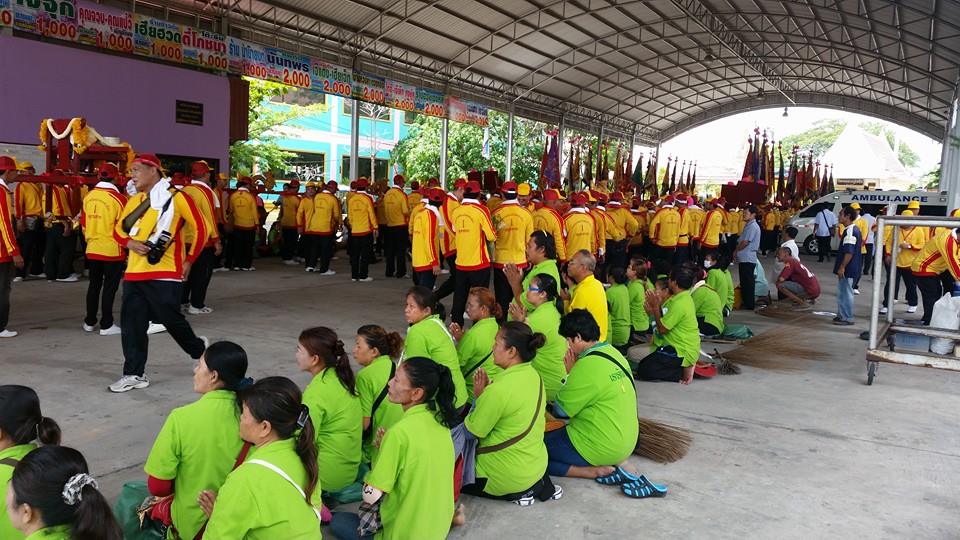
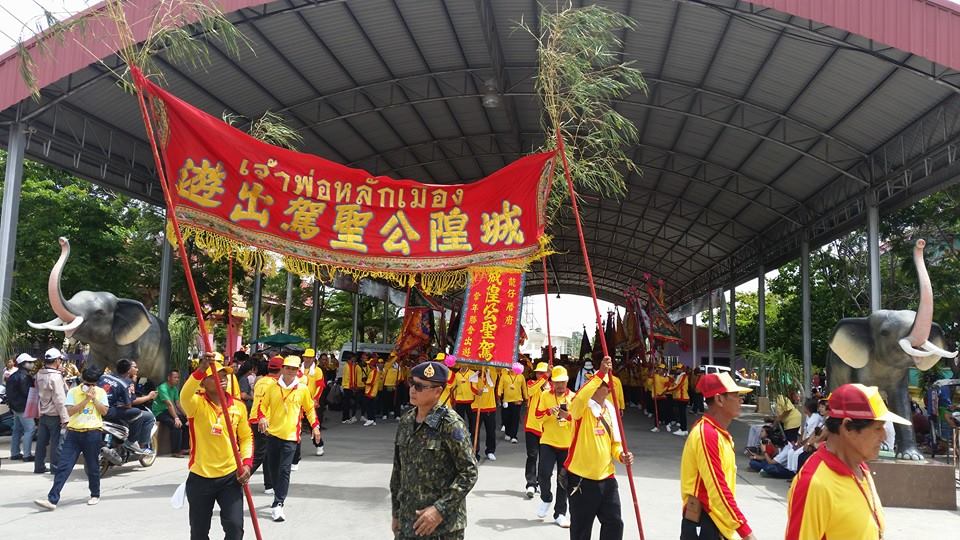
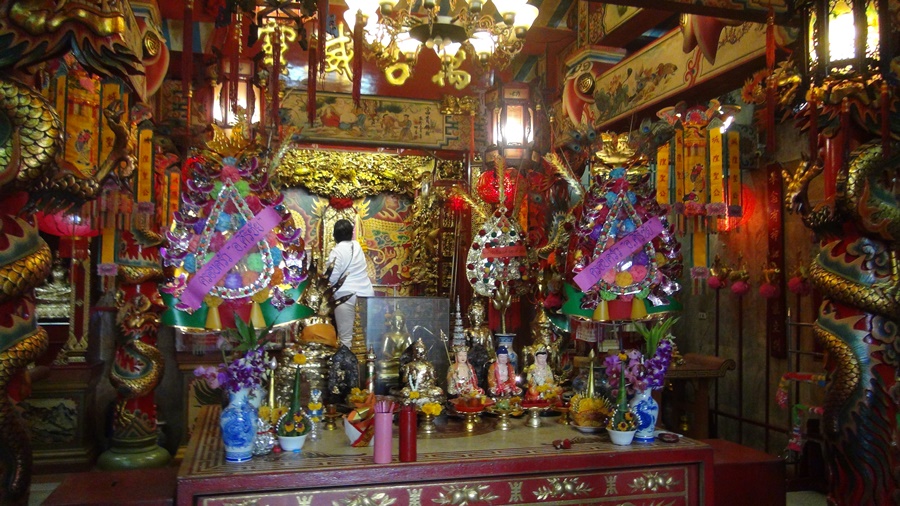
The ritual tradition of Parading Chao Por Lak Mueang is observed on the 7th-10th of the 5th Chinese lunar month (around June on the international calendar). The organizers and participants are the disciples of Chao Por Lak Muang. The ritual is done under the supervision of the Chao Por Lak Mueang Samut Sakhon Shrine Committee.
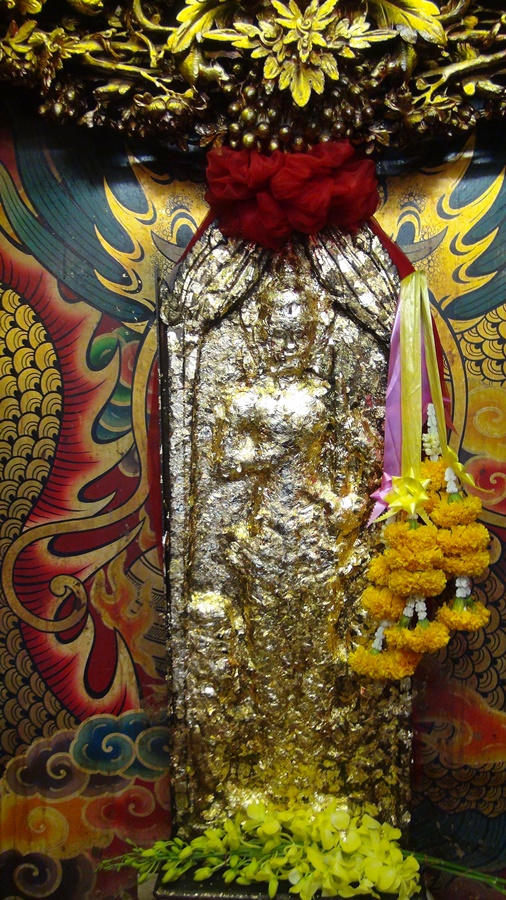
Chao Por Lak Mueang, also known as Chao Por Wichianchote, is actually a wooden (Sacred fig) angel figurine in a shrine. His right hand is in the blessing posture; the left hand carries a short sword. Chao Por stands on a carriage and is flanked at each side by a little boy disciple. The idol measures about 1 meter.
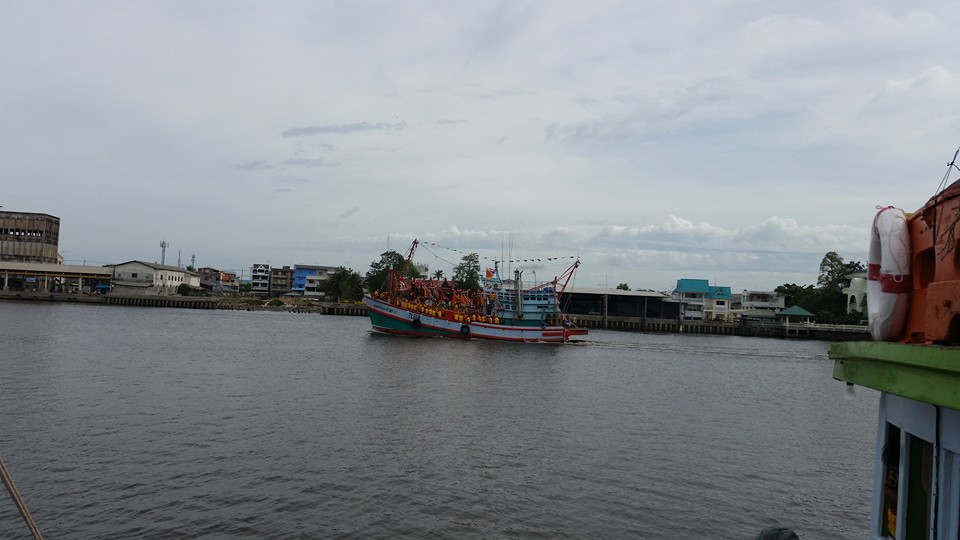
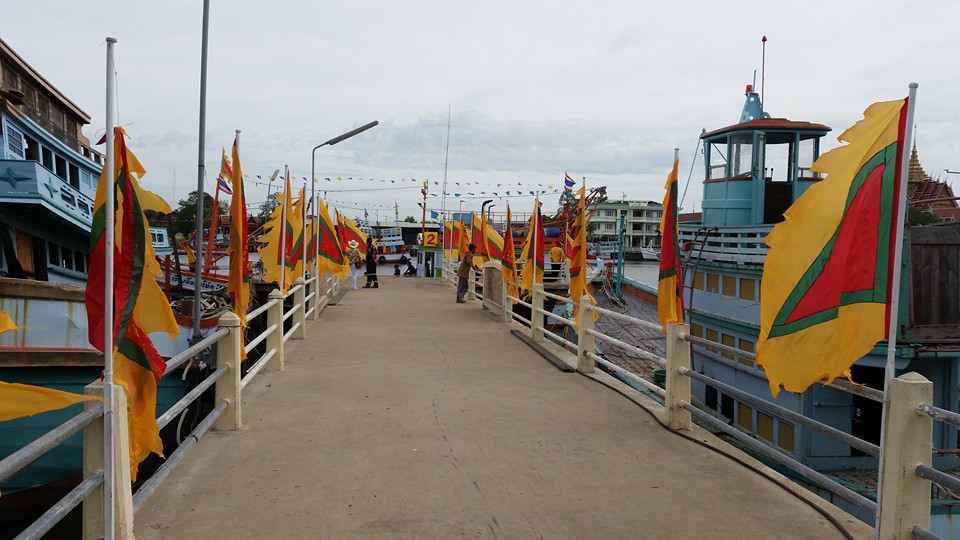
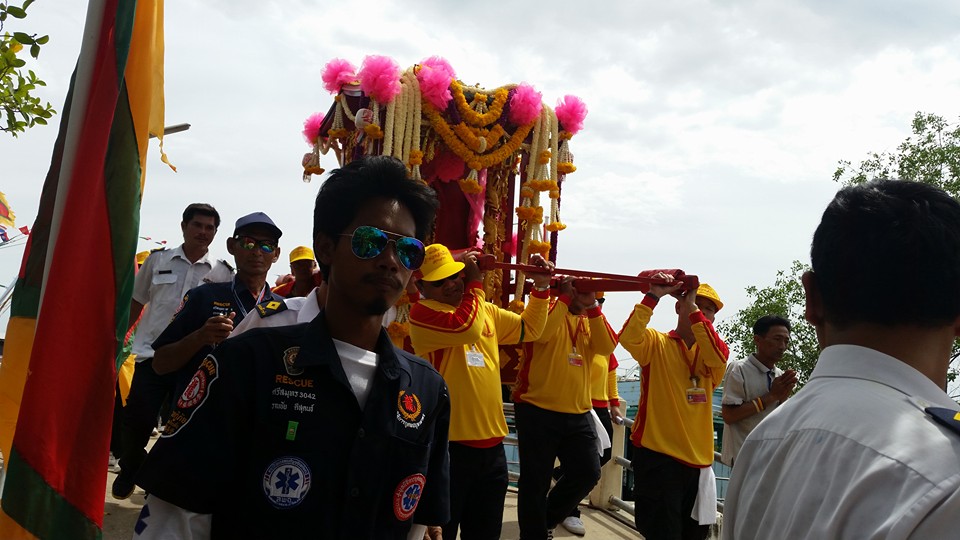
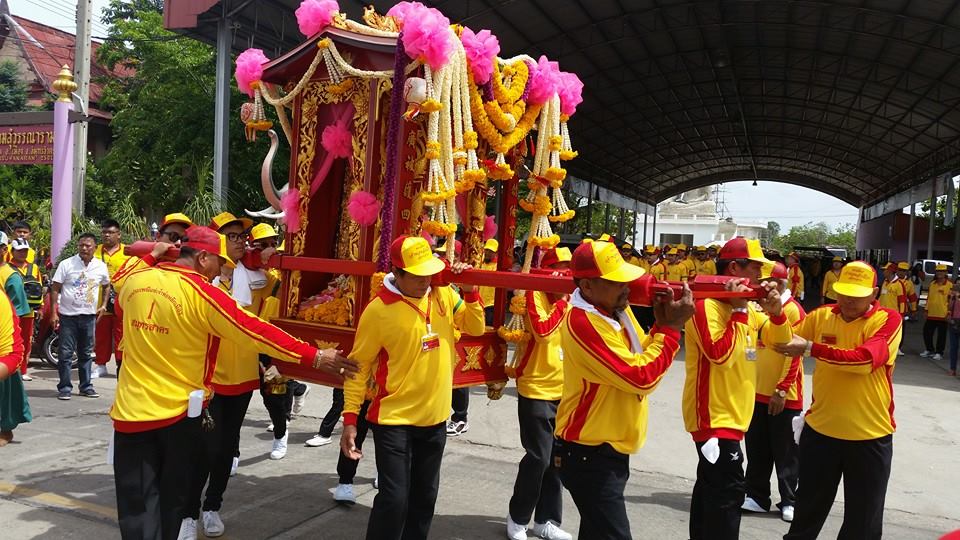
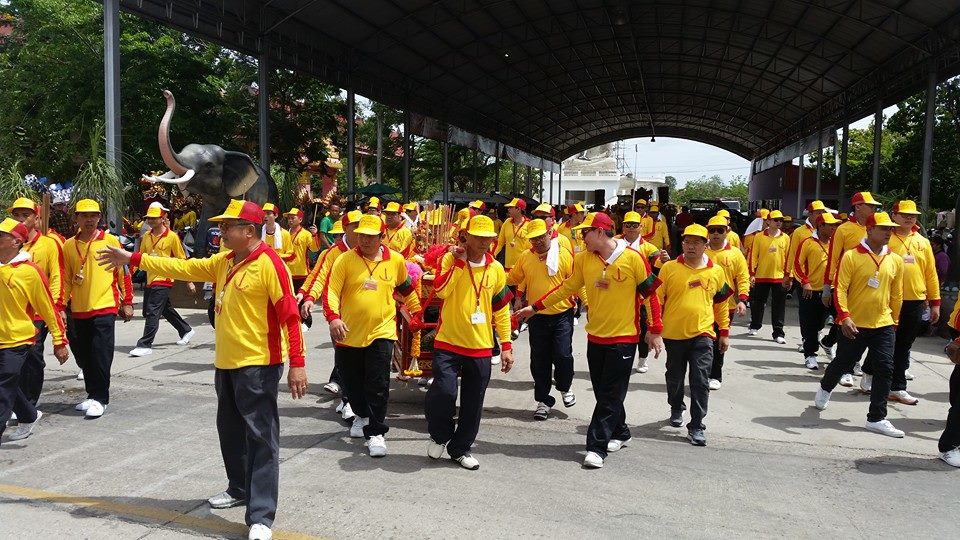
On the 2nd day of the festival (the 8th of the 5th month), Chao Por is paraded through the streets. The procession begins around 9 a.m. Ceremoniously, Chao Por is moved from the shrine to a carriage, which is put in a fishing boat. The Idol is to be paraded through the waterways first. He blesses the fishermen, those people working in factories as well as local folks living along the river.
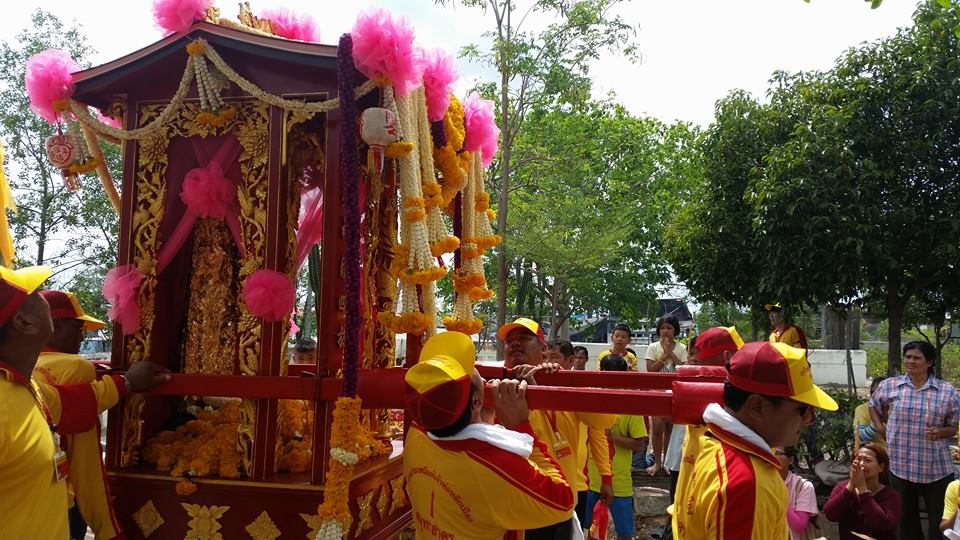
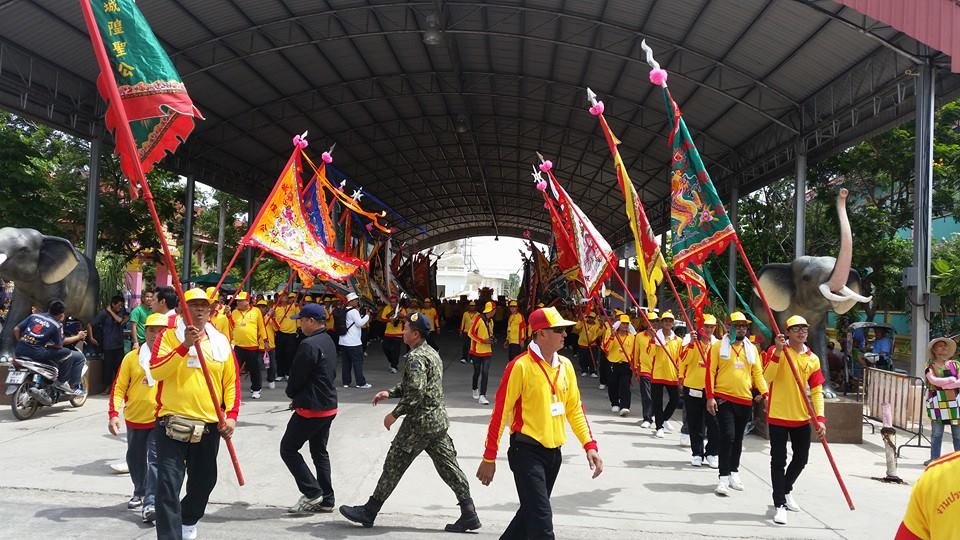
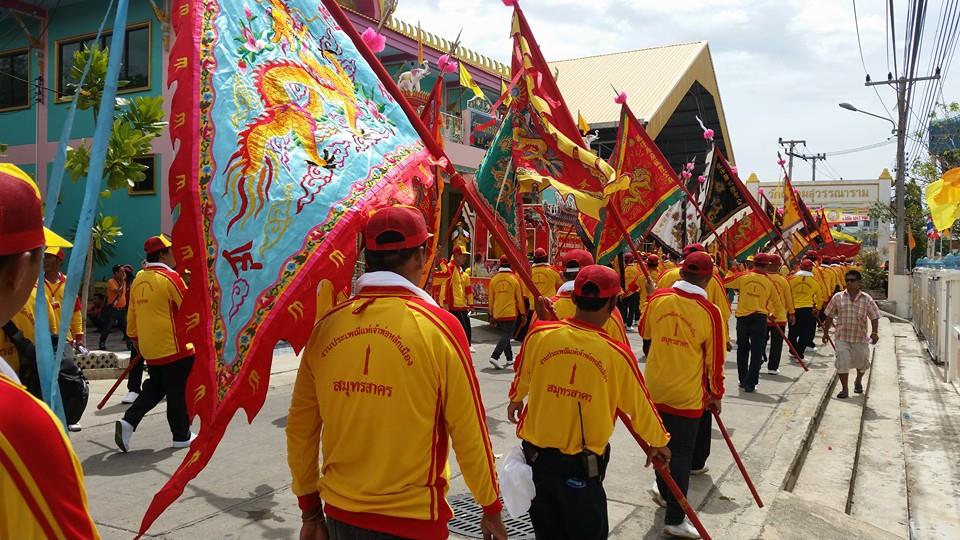
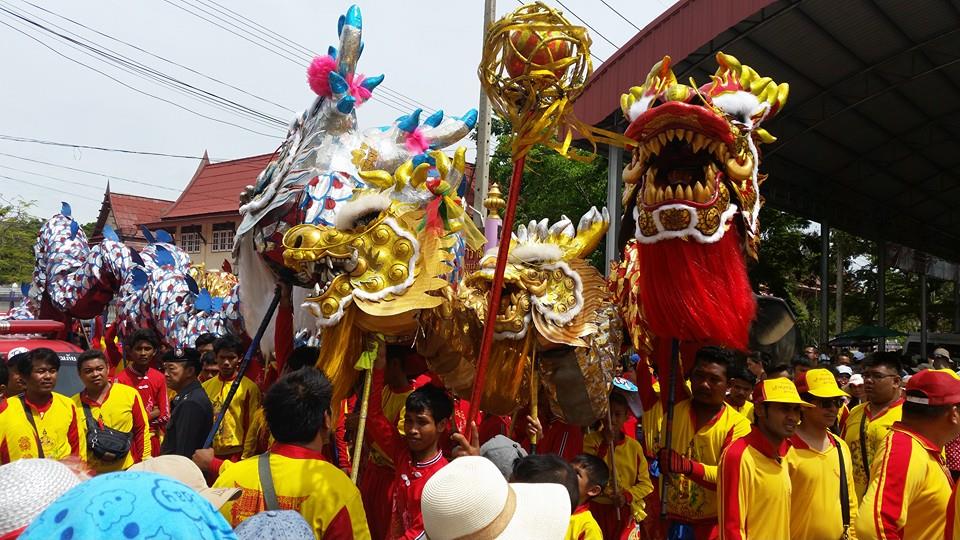
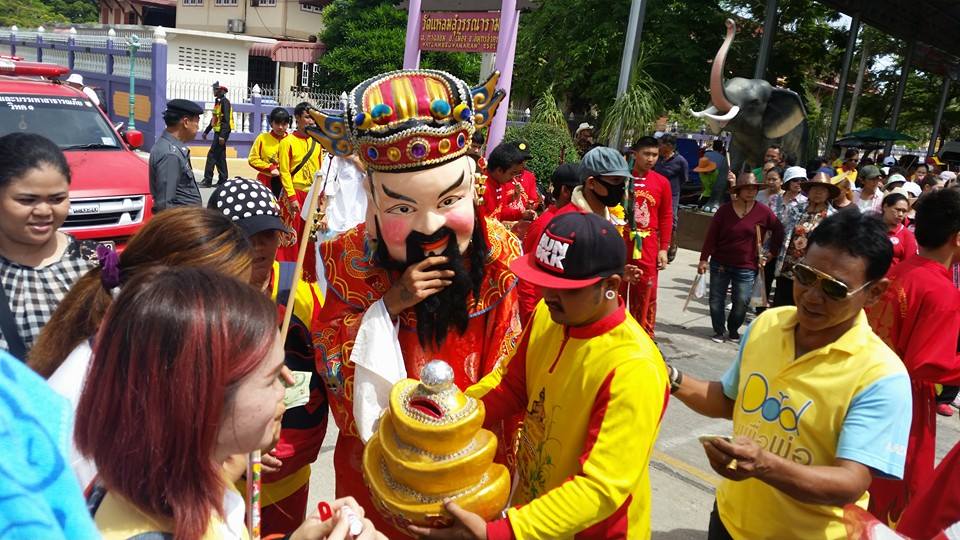
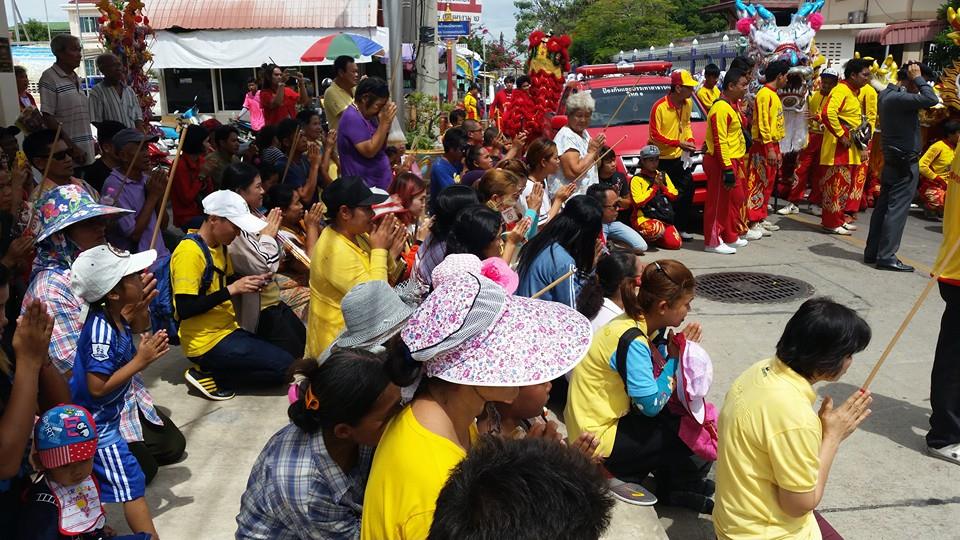
Chao Por is invited to disembark at Tha Chalom, or exactly at Wat Laem Suwannaram pier. The parade now goes through town and the Mahachai fresh market. Leading the parade is a truck carrying sacred water, followed by flag and banner trucks, the Silver Dragon-Golden Dragon truck, the Chao Por carriage, and close behind the vehicles of the disciples and other participants. All along the way, senior government officers of the province sprinkle sacred water onto the devotees lining the streets.
Residents put out sacrificial offerings in front of their houses to welcome Luang Por and the procession. Some welcome Luang Por’s visit with loud exploding firecrackers. Believers hold in their hands burning increase sticks, ready to exchange theirs with those of Luang Por’s. They will put Luang Por’s sticks in their houses as an object of worship, believed to bring good luck.
As Chao Por is approaching, someone calls out loud, “Chao Por’s coming. On your knees, everyone! and you’ll be blessed with riches.” The purpose is to get people organized, ready to worship the sacred idol.
The parading through town takes some time – until late afternoon or the evening. Then Chao Por is invited to be back at the Shrine.
The last day of the event (the 11th) is Chao Por’s birthday. To celebrate this important day, special noodle dishes are cooked for all who have joined the festival. In Chinese culture, cooking and eating noodles on special occasions is believed to bring longevity, and wealth all year round.
The evening activities are for public fun including, for example, li-ke (Thai song and dance drama), Chinese opera, movies. Everything is free. These various forms of entertainment are available throughout the festive period.
Chao Por Lak Mueang Samut Sakhon is very much severed by Samut Sakhon residents. So in the annual worshipping event, large numbers of believers always turn up. It is not known when exactly the event was initiated and by whom.
The fact that the celebration is a land-and-water activity could have been due to the main livelihood of the people being fishing. It has long been a common practice that fisherman must discharge firecrackers before setting out to sea. The loud noises are associated with good luck, thus ensuring a good catch in each trip. So while their boats are sailing past Chao Por’s Shrine, they pray to Chao Por and promise him favors in return for the luck. They strongly believe that the waterborne celebration definitely contributes to their good luck in the trade.